

Magnolia Flouring Mills
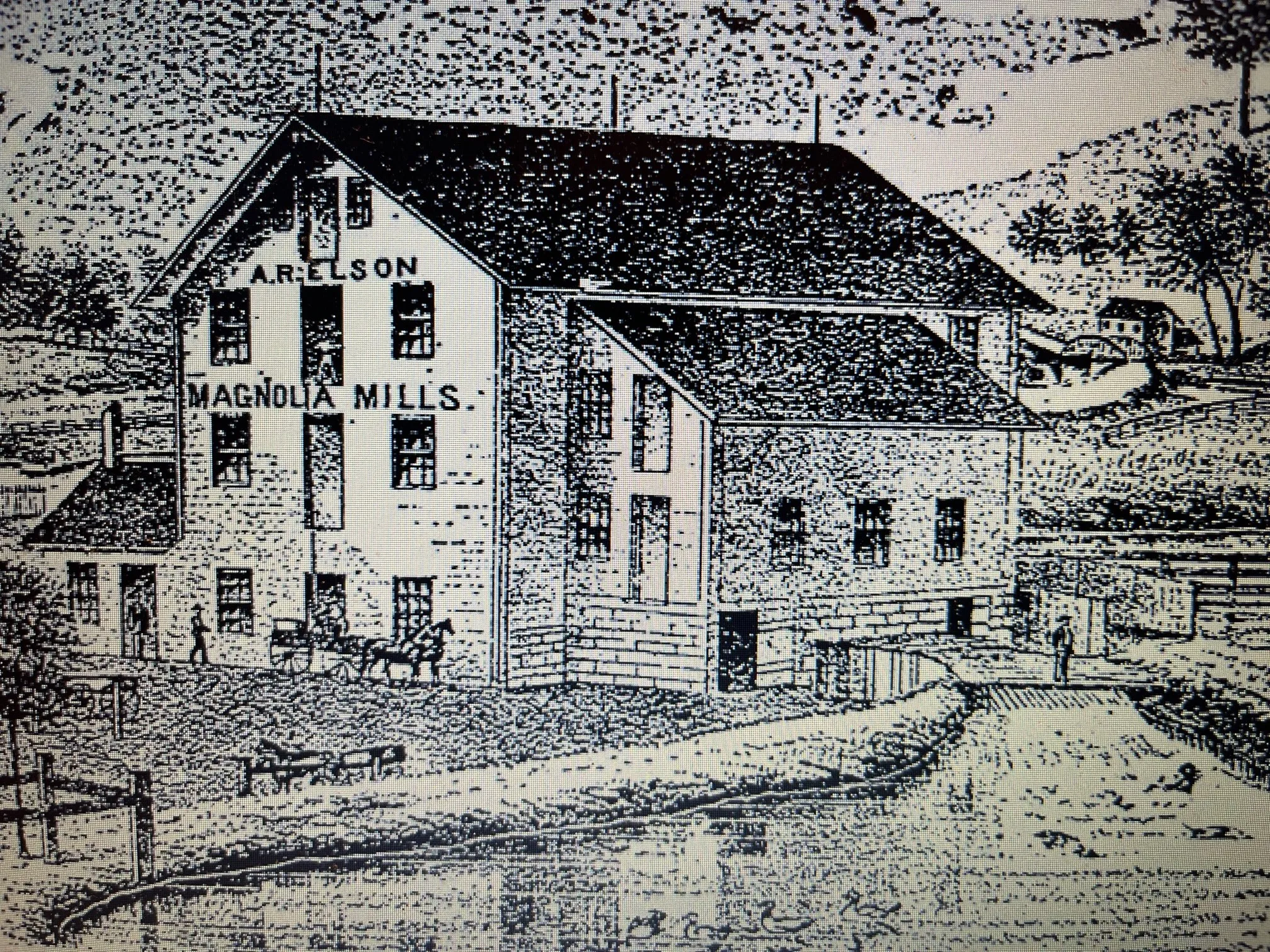
The Magnolia Flouring Mills stands as one of Ohio’s best-preserved examples of a working 19th-century flour mill, offering a vivid look into the agricultural and industrial roots of Tuscarawas and Stark County. Built along Sandy Creek in the village of Magnolia, the mill was strategically placed to harness water power—an essential energy source for rural communities before widespread electrification. Today, the site remains a tangible link to the era when local mills were economic anchors, turning farmers’ grain into flour that sustained households and regional trade.
Constructed in the mid-1800s, Magnolia Flouring Mills reflects the ingenuity of early milling operations, where engineering, craftsmanship, and natural resources worked hand in hand. The mill once served surrounding farms, processing wheat and corn using water-driven machinery and carefully cut millstones. Its continued operation over generations underscores how vital mills like this were to everyday life—supporting local agriculture, commerce, and food production long before modern supply chains existed.
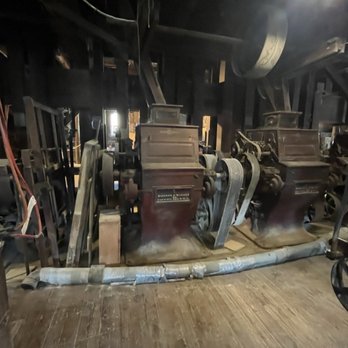
Inside, the Mill retains much of its original character, with exposed beams, belts, gears, and milling equipment that demonstrate how grain moved through each stage of the process. Visitors can trace the journey from raw harvest to finished flour, gaining an appreciation for the labor, precision, and mechanical skill required to keep the mill running smoothly. The preserved interior helps tell the story not just of industry, but of the people who worked there and depended on it.
Now preserved as a historic site, Magnolia Flouring Mills continues to educate and inspire through tours, demonstrations, and community events. It stands as a reminder of a time when small villages were powered by water, cooperation, and craftsmanship—and when a local mill was at the heart of both daily life and long-term community growth.
 Vist the Website
 (330) 477-3552