

Massillon Museum

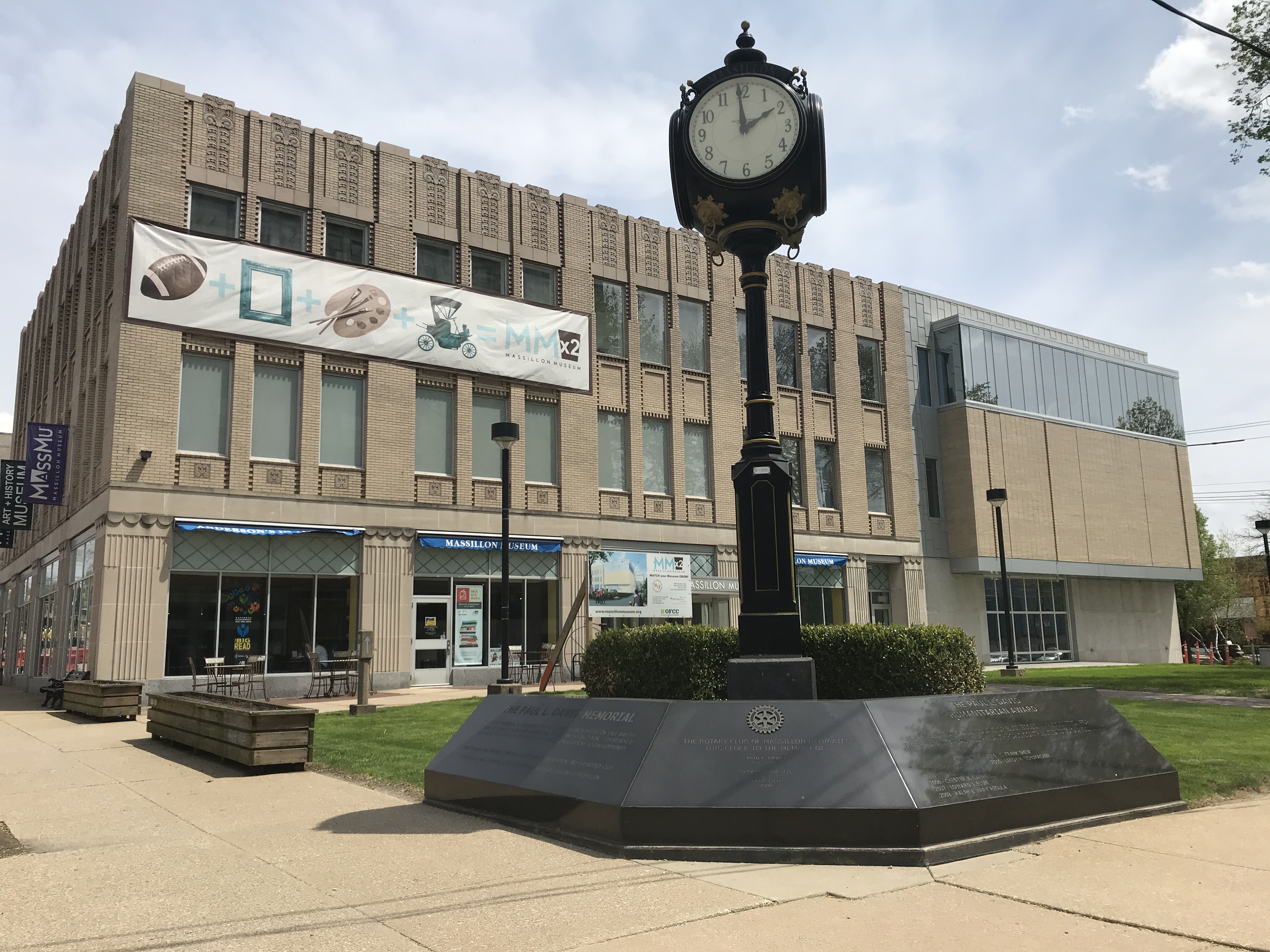
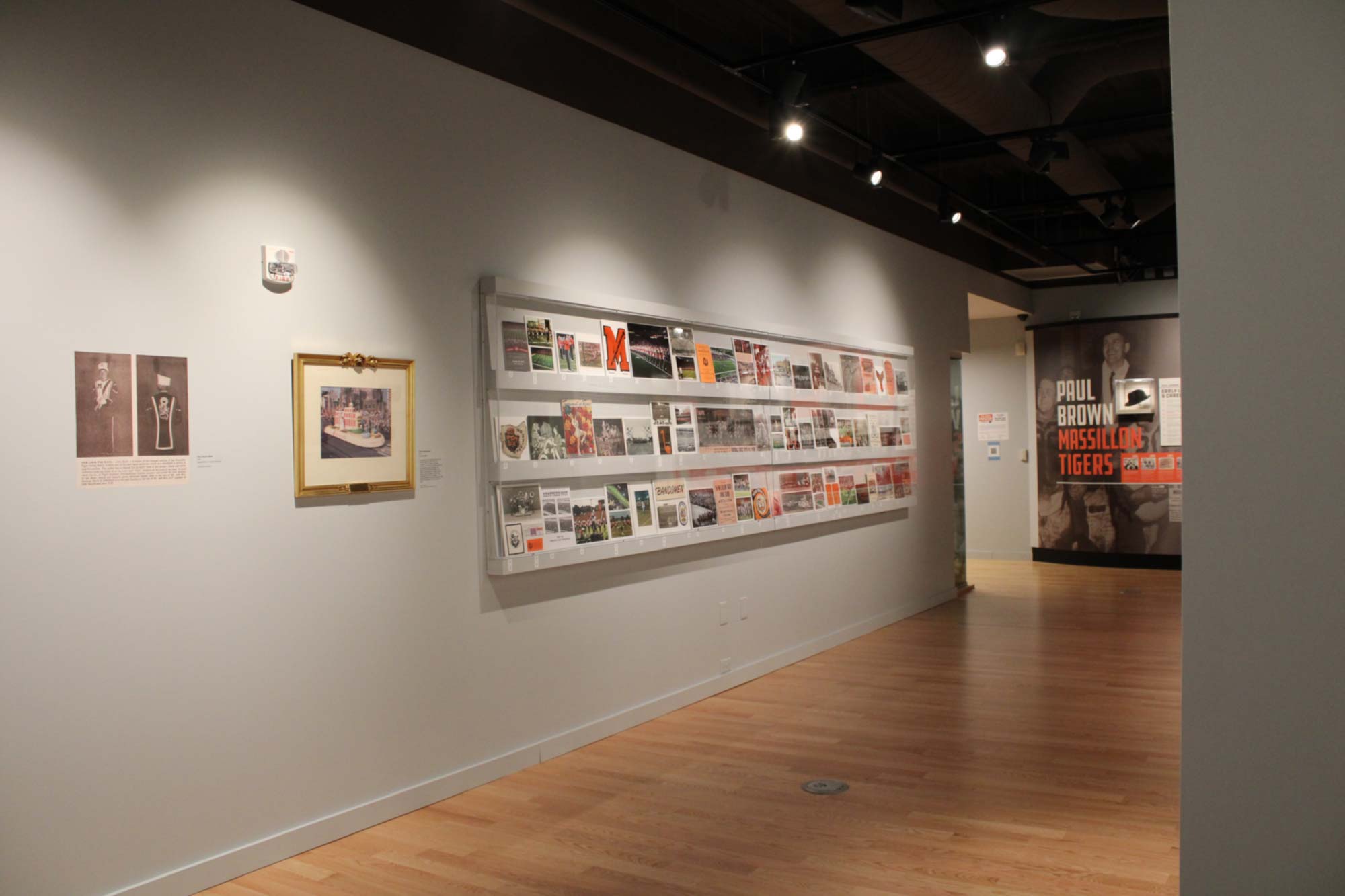
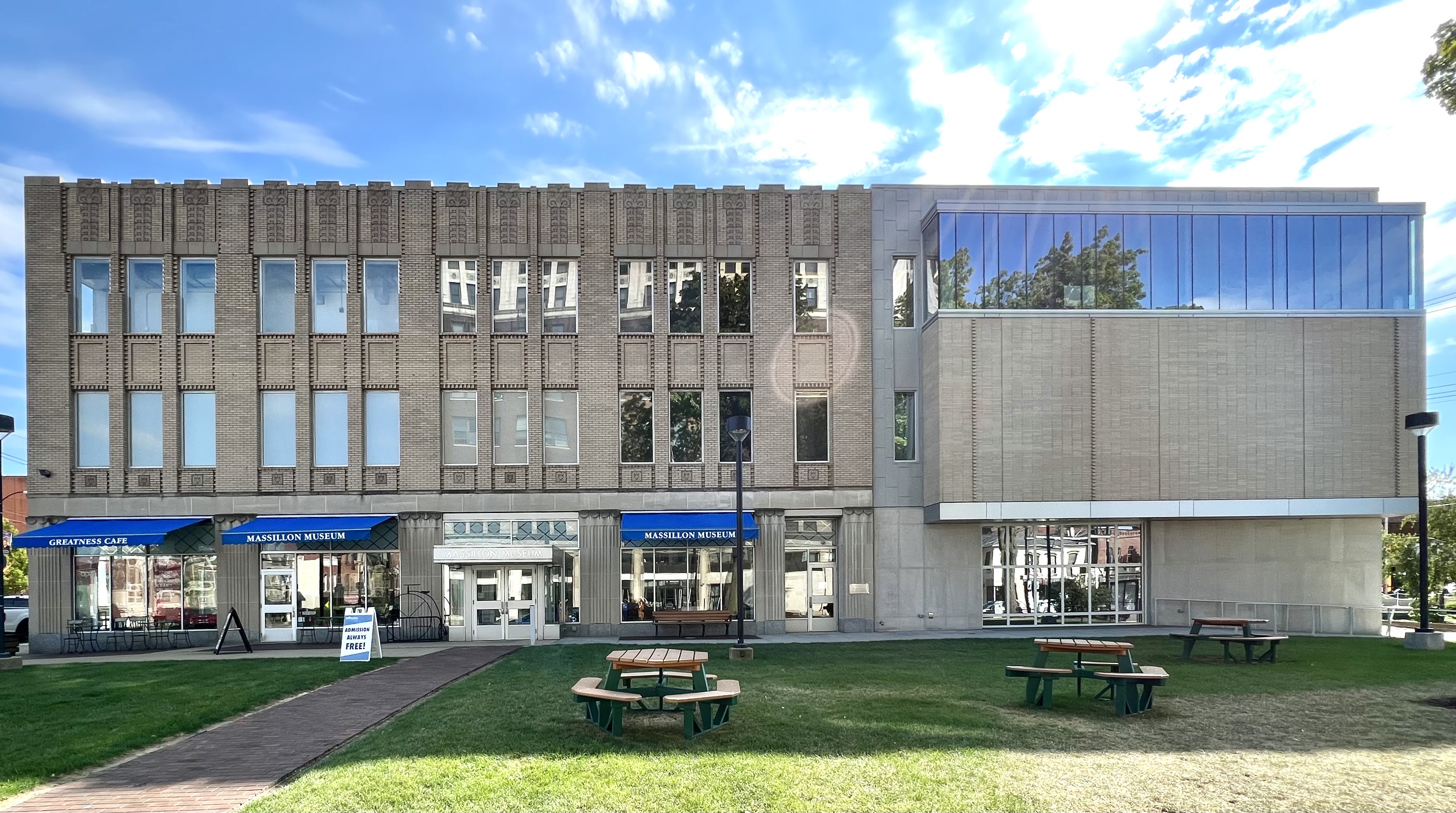
The Massillon Museum stands at the crossroads of art and local history, offering visitors a place where creativity and community memory come together. Inside, galleries showcase rotating art exhibitions alongside permanent displays that explore Massillon’s past, inviting visitors to move easily between fine art, cultural storytelling, and hands-on discovery. One of the museum’s most beloved features is its long-running circus exhibition, which celebrates Massillon’s deep connection to circus history through colorful artifacts, photographs, and stories that delight visitors of all ages. Complementing this is the museum’s history gallery, where exhibits trace the city’s growth, industries, and everyday life, grounding Massillon’s story in both local pride and broader regional change.
Central to that story is James Duncan, whose vision helped shape the city long before it bore its current name. Before arriving in the area, Duncan was a businessman and land speculator drawn to the possibilities of Ohio’s developing frontier. He is credited as the founder of Massillon, recognizing the strategic importance of the Tuscarawas River corridor. Duncan was a strong advocate for routing the Ohio & Erie Canal through the settlement, understanding that canal access would connect Massillon to wider markets and accelerate its economic growth. Later, he also supported the expansion of the railway system, further cementing Massillon’s role as a transportation and industrial hub. Early photographs and maps displayed at the museum help visitors visualize what the town looked like in its earliest days and how Duncan’s efforts shaped its layout and future.
Another key figure highlighted by the museum is Abel Fletcher, whose work documented Massillon during a period of rapid change. Fletcher became well known for his photography, capturing portraits, streetscapes, and everyday scenes that now serve as invaluable historical records. His career took a dramatic turn after an accident left him blind—an event that could have ended his work entirely. Instead, Fletcher adapted, remaining involved in the business and continuing to shape its direction despite his loss of sight.
Fletcher’s story is also one of partnership and resilience. After his blindness, his wife stepped in to take over the photography business, becoming a professional photographer herself at a time when few women worked in the field. Together, their legacy lives on through the images preserved by the Massillon Museum, offering an intimate and enduring view of the city’s people, places, and progress.
 Vist the Website
 (330) 833-4061