

The Lost Settlement of New Guinea

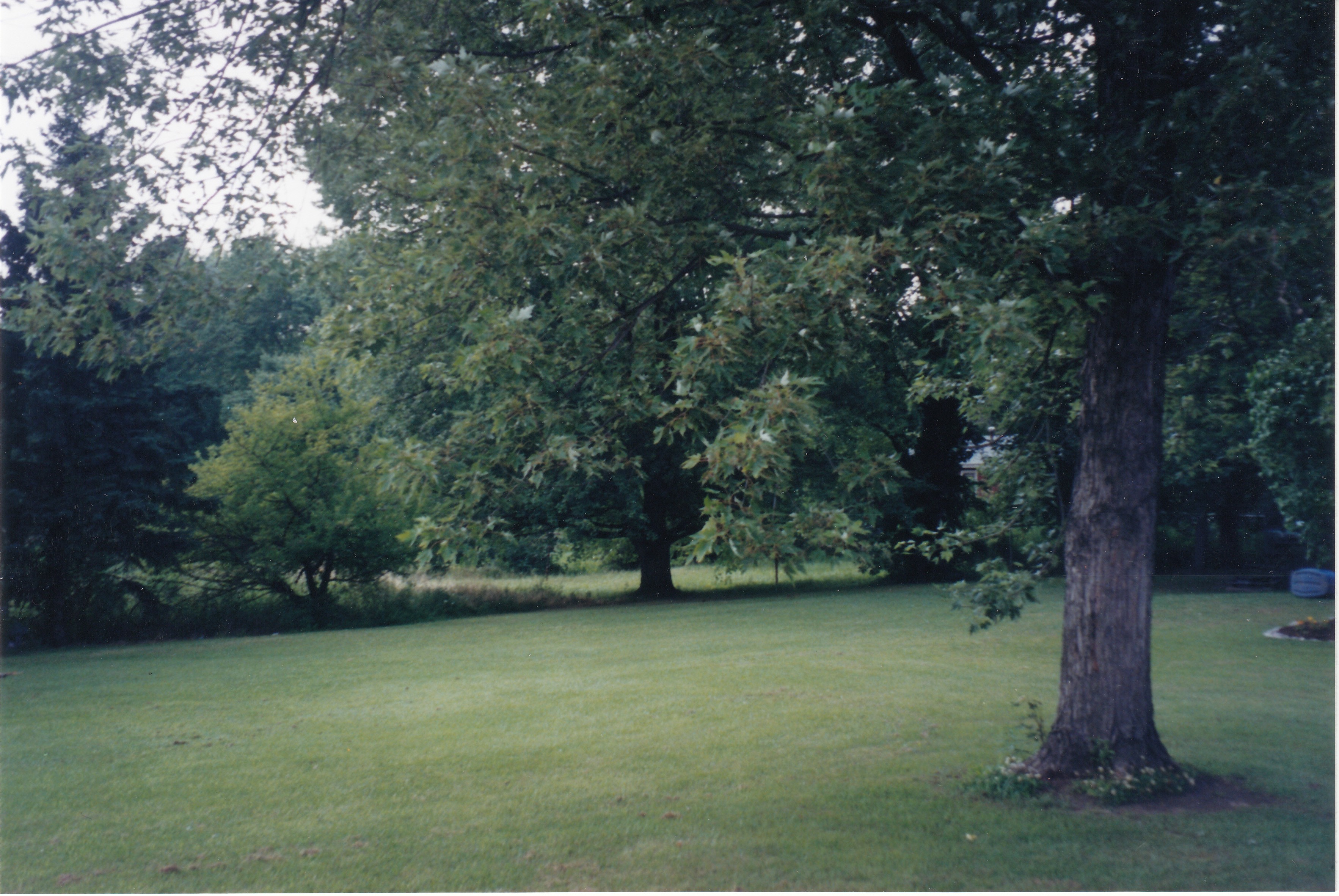
The story of New Guinea is one of presence without a pinpoint—an early community that no longer appears on maps, yet still lingers in the landscape. Today, visitors can walk or drive the quiet roads near Price St. NE, Alliance, Ohio, tracing trails and river bends that help paint a picture of where New Guinea may once have stood. What now feels like an ordinary stretch of countryside was, in the early 1800s, part of a remarkable and largely forgotten chapter in Ohio history.
New Guinea emerged around 1805 in the northeast corner of Stark County, primarily within Lexington Township, and is recognized as one of the earliest Black settlements in the state of Ohio. Settled by free Black families, the community took root north of the Mahoning River, near the border of Lexington Township and Smith Township. Contemporary newspaper accounts and early articles—though few in number—are surprisingly consistent in identifying the general location of the settlement’s meeting house, church, and cemetery. River Street is frequently cited as the site of both the church and burial grounds, though no visible structures or cemetery markers remain today.
Part of what has made New Guinea so difficult to locate precisely is that the settlement extended beyond township lines, reaching into the Fish Creek area of Smith Township. Early 19th-century accounts often referenced a population of nearly 200 residents by 1810, yet census records from Lexington Township alone never reflect numbers that high. This discrepancy has puzzled historians for decades and suggests that New Guinea’s residents were spread across multiple jurisdictions—effectively rendering them invisible when viewed through a single township’s records.
Modern interest in New Guinea has been kept alive through local research and community memory. Michelle Dillon from the Alliance Historical Society, who once worked the public desk at the Alliance Rodman Public Library, became intrigued by the settlement after encountering repeated but fragmented references in historical materials. Her research helped reconnect the dots between Quaker migration into the region and the founding of New Guinea. A significant influx of Quakers, known for their abolitionist beliefs, helped create an environment in which free Black families could settle, worship, and build community. Though New Guinea has physically disappeared, its story endures as a powerful reminder of early Black resilience, faith, and the quiet ways communities can shape history—even when the evidence fades from view.